

Relief From Dry Eye Syndrome Starts at Eyes Now in Dallas-Fort Worth Area TX
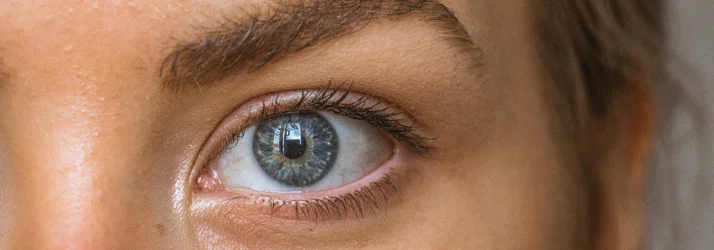
Dry eye syndrome is a prevalent issue that often goes unnoticed, yet its impact on vision and long-term eye health can be significant. At Eyes Now, we understand that persistent dryness, irritation, and fluctuating vision can create challenges for individuals, especially when driving or working on screens.
Our approach starts by pinpointing the underlying cause of dry eye, enabling us to develop tailored treatment plans that restore tear film stability and deliver lasting relief. To better serve our community, Eyes Now has launched four centers throughout the Dallas-Fort Worth Area TX, offering modern solutions for patients of all ages dealing with dry eye symptoms.
Understanding Dry Eye Syndrome
Dry eye syndrome, also known as ocular surface disease, arises when the eye either fails to produce sufficient tears or the tears produced are ineffective. Tears are essential for maintaining the moisture, protection, and clarity of the eye surface. When there is an insufficient quantity of tears or they lack quality, the eye may experience dryness, irritation, and swelling.
Individuals suffering from dry eye require continuous treatment because the condition is chronic. Symptoms may begin as mild but can progressively worsen over time, resulting in persistent irritation and impaired vision throughout the day.
The Tear Film and Its Role in Eye Health
The tear film plays a crucial role in eye health, which protects moisture and visual clarity through its three essential layers.
Mucin Layer
The mucin layer is the inner layer of the tear film. Its primary function is to help tears spread evenly across the eye's surface while maintaining their connection to the corneal surface. The eye needs proper mucin levels to achieve effective lubrication, without which dry areas and irritation will occur.
Aqueous Layer
The aqueous layer is the main part of the tear film because it contains water as its primary component. This layer supplies hydration while delivering oxygen and essential nutrients to the cornea, and it helps the body remove harmful materials and irritants. A common cause of dry eye is reduced aqueous production.
Lipid Layer
The eyelids form an outer lipid layer composed of oil secreted by the meibomian glands. This layer prevents excessive moisture loss from the aqueous layer while maintaining tear stability. When these oil glands don't function properly, tears evaporate too quickly, leading to persistent dryness.
The tear film becomes unstable whenever its layers are disrupted, leading to dry eye symptoms.
Common Causes of Dry Eye Syndrome
Multiple factors contribute to the development of dry eye syndrome, as it results from the combination of environmental factors, personal living habits, and individual biological traits.
Environmental and Lifestyle Factors
Prolonged screen use reduces blinking, which increases tear evaporation. Air conditioning, heating, wind, and dry weather can further worsen symptoms. Digital device use for extended periods in modern workplaces is a major factor in the development of dry eye symptoms.
Age-Related Changes
The natural process of ageing leads to a decline in tear production in everyone. Hormonal changes during ageing lead to decreased tear quality, resulting in more frequent dry eye among elderly patients.
Contact Lens Wear
The tear film is disrupted and drier when people wear contact lenses that do not fit properly or keep them in for extended periods. The contact lenses will absorb eye moisture, leading to more severe symptoms in some patients.
Medical and Ocular Conditions
The development of dry eye occurs due to conditions such as blepharitis, meibomian gland dysfunction (MGD), allergies, and autoimmune disorders. Previous laser eye surgery may also affect tear production and stability.
Meet The Doctors
- Manoj Abraham
- Fatima Ibrahim
- Lilit Saakova
- Marc Babin
Recognizing Dry Eye Symptoms
Dry eye symptoms can vary in severity and often worsen over time if left untreated. The primary symptoms include:
- Burning, stinging, or gritty sensations
- Redness and irritation
- Excessive tearing as a reflex response
- Sensitivity to light
- Blurred or fluctuating vision
- Difficulty wearing contact lenses
- Discomfort during reading, driving, or screen use
A professional evaluation is necessary because the symptoms of this condition resemble those of other eye conditions, which also require proper diagnosis and effective treatment.
Personalized Dry Eye Treatment Options
Dry eye treatments require customization to match each patient's individual needs. The treatment options at Eyes Now aim to restore tear balance and enhance patient comfort through a range of available treatments.
Oasis Tear Drops
Oasis Tear Drops serve as artificial tears and do not contain preservatives to offer enduring moisture protection. These drops are approved for dry eye treatment because they help maintain tear film stability while reducing eye irritation.
HydroEye Nutritional Supplements
The HydroEye supplements contain clinically studied Omega-3 fatty acids that enhance the body's ability to produce high-quality tears. These supplements are often recommended by eye care professionals for patients with chronic dry eye due to inflammatory processes or suboptimal tear production.
Bruder Eye Masks
Bruder eye masks provide targeted relief for patients with meibomian gland dysfunction. The heated masks help open blocked oil glands, allowing the tear film lipid layer to maintain its proper function. The continuous application of this method will lead to less evaporation, which results in increased comfort.
Long-Term Dry Eye Management
Dry eye syndrome requires ongoing care to maintain comfort and protect eye health. Our optometrists use follow-up appointments to track patient progress while adjusting treatment strategies and addressing new symptoms that emerge.
The majority of patients experience enhanced comfort and improved vision results when they receive early treatment and continue their medical care.
Insurance and Payment Options
Eyes Now accepts numerous vision and medical insurance plans, which include VSP and EyeMed, Medicare, Medicaid, and various other major insurance providers. Direct billing simplifies payment procedures because most policies offer this service.
Vision insurance covers annual eye examinations and gives benefits for frames and lenses. Medical insurance coverage begins when an eye condition is diagnosed during the examination.
Patients without insurance and those who need flexible payment options can review the practice's available payment options. The staff supports benefit validation and all inquiries regarding insurance matters.
Schedule Your Dry Eye Evaluation Today
If dry eye symptoms are interfering with your daily life, professional treatment can make a significant difference. Eyes Now offers comprehensive evaluations and personalized treatment plans tailored to your eye care needs.
Schedule your consultation today by calling (817) 310-0289.
Contact Information
Dallas Eyes Now
8687 N Central Expy Suite 2200 TX 75225
(214) 368-0059
DFW Eyes Now
7805 N MacArthur Blvd Suite 100 TX 75063
(972) 316-0110
Hurst Eyes Now
1101 Melbourne Rd TX 76053
(817) 284-0798
Southlake Eyes Now
1251 E Southlake Blvd #333 TX 76092
(817) 310-0289


Dallas Eyes Now
8687 N Central Expy Suite 2200
Dallas, TX 75225
DFW Eyes Now
7805 N MacArthur Blvd Suite 100
Irving, TX 75063
Hurst Eyes Now
1101 Melbourne Rd
Hurst, TX 76053
Southlake Eyes Now
1251 E Southlake Blvd #333
Southlake, TX 76092